Heat Exhaustion and Heatstroke: Warning Signs, First Aid and Staying Safe This Summer
November 18, 2026
Travelling This Summer? A Health Checklist for Your Scripts, Medicines and Travel Health
November 18, 2026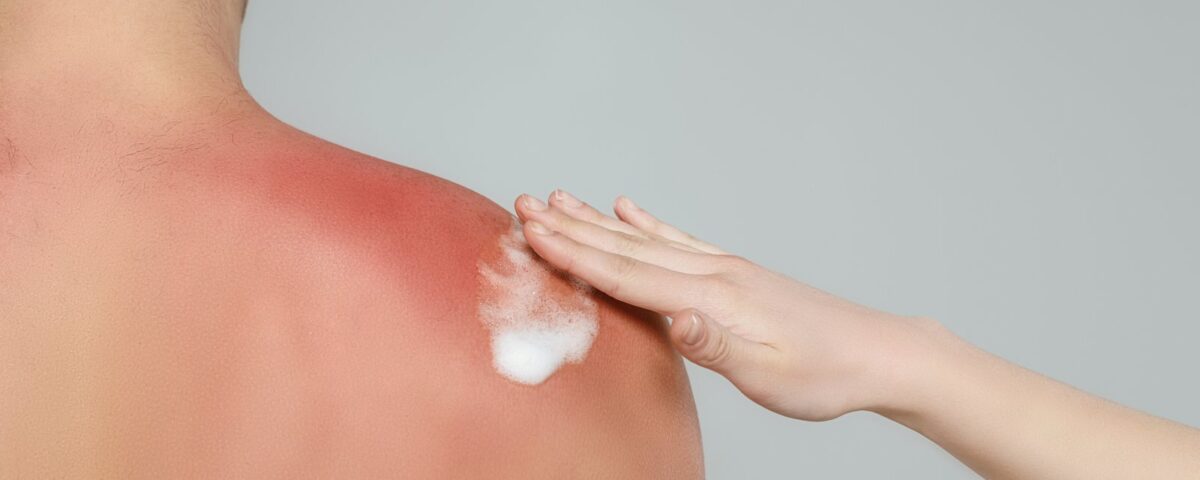
A day at the beach, a backyard barbecue or a long walk in the middle of the day can all end in sunburn. In Australia, UV levels are high for much of the year, and fair skin can burn in as little as 10 minutes (healthdirect).
Most sunburn can be managed at home, but severe sunburn can make you quite unwell. Here’s how to soothe it, the signs that mean you should see a doctor, and how to avoid getting burnt next time.
What is sunburn?
Sunburn is skin damage caused by too much ultraviolet (UV) radiation from the sun. You can’t feel UV, and it isn’t the same as heat, so you can burn on a cool, cloudy or windy day.
Symptoms usually appear a few hours after sun exposure and are often worst after a day or so. They can include:
- red, hot, tender skin
- swelling
- blisters, in more severe sunburn
- itching and peeling as the skin heals, usually after a few days
How to soothe sunburn at home
There’s no treatment that undoes UV damage, but these steps can ease the discomfort while your skin heals:
- Get out of the sun and stay out of it until the burn has healed
- Cool the skin with a cool (not icy) shower or bath, or a cool, damp cloth
- Drink plenty of water, as sunburn draws fluid to the skin
- Moisturise with a gentle, fragrance-free moisturiser or after-sun gel
- Wear loose, soft clothing over burnt areas
- Leave blisters alone. Don’t pop them, as the skin underneath is protecting the area from infection
- Pain relief: ask your pharmacist about over-the-counter pain relief that suits you
Avoid putting ice directly on the skin, and avoid butter, oils or petroleum jelly on fresh sunburn, as they can trap heat.
When to see a doctor
See a GP if:
- the sunburn is blistered or covers a large area of your body
- the pain is severe or isn’t eased by home care
- a baby or young child is sunburnt
- the burn isn’t starting to improve after a few days
- there are signs of infection, such as increasing pain, swelling, pus or red streaks spreading from the area
A GP can often assess sunburn by video or from photos, and will let you know if you need to be seen in person.
When to get urgent help
Severe sunburn can come with heat-related illness. Get medical help the same day, or call 000 in an emergency, if you or the person with sunburn has:
- fever, chills or shivering
- a bad headache, dizziness or fainting
- nausea or vomiting
- signs of dehydration, such as very little or very dark urine
- confusion or unusual drowsiness
- extensive blistering, especially in a baby or young child
Confusion, collapse or a seizure in the heat can be signs of heatstroke, which is an emergency. Read more in our guide to heat exhaustion and heatstroke.
Why sunburn matters in the long run
Each sunburn adds to the damage in your skin cells. Over time, repeated sunburn increases your risk of skin cancer, including melanoma, as well as wrinkles and sunspots. Australia has one of the highest rates of skin cancer in the world.
Talk to a doctor if you notice a new spot, or a mole or freckle that changes in size, shape or colour. Skin checks need to be done in person, by a GP, skin cancer clinic or dermatologist. Our article on basal cell carcinoma explains what to look out for.
How to prevent sunburn
Cancer Council recommends protecting your skin whenever the UV Index is 3 or above, which is most days of the year across much of Australia. Check the daily UV forecast for your area, then protect yourself in five ways (Cancer Council):
- Slip on clothing that covers as much skin as possible
- Slop on SPF 50 or 50+, broad-spectrum, water-resistant sunscreen. Apply it 20 minutes before going outside and reapply every two hours, and after swimming, sweating or towel drying
- Slap on a broad-brimmed hat that shades your face, neck and ears
- Seek shade, especially in the middle of the day
- Slide on sunglasses that meet the Australian Standard
A few extra tips:
- Most people don’t use enough sunscreen. Apply a generous layer and don’t forget ears, the back of the neck, the tops of your feet and the backs of your hands
- Sunscreen shouldn’t be used to stay out in the sun for longer
- Some medicines can make your skin more sensitive to the sun. Check the label or ask your pharmacist
- Keep babies under 12 months out of direct sun as much as possible. Cancer Council doesn’t recommend widespread sunscreen use on babies under six months
How Teldoc can help
Our AHPRA-registered GPs can assess your sunburn by phone or video, usually within 15 minutes, 7 days a week. Sending photos or using video helps the doctor see your skin. They can:
- advise on caring for your skin and managing pain
- check for signs of infection or dehydration, and prescribe treatment if clinically appropriate
- let you know if you need to be seen in person
- provide a medical certificate if you’re too unwell to work, especially if your job is outdoors
Consultations are $55 on weekdays and $75 on weekends and public holidays; see our fees page. Not sure if telehealth suits your concern? Read what telehealth can and can’t do.
Frequently asked questions
How long does sunburn take to heal?
Mild sunburn usually settles within a few days to a week, often with some peeling. More severe sunburn with blisters can take longer. See a doctor if it isn’t improving or you notice signs of infection.
Should I pop sunburn blisters?
No. Blisters protect the healing skin underneath. Popping them increases the risk of infection. If a blister breaks by itself, keep the area clean and covered with a non-stick dressing.
Can you get sunburnt on a cloudy day?
Yes. UV radiation passes through cloud, and it isn’t related to temperature. Check the UV Index rather than how hot or sunny it feels.
Can a doctor see sunburn on a video call?
Often, yes. A GP can usually assess sunburn by video or from photos and give advice on treatment. If you have signs of severe illness, or the doctor needs to examine you, they’ll tell you to be seen in person.
Sources and further reading: healthdirect: Sunburn and sun protection; healthdirect: Sunburn treatments; Cancer Council: UV Index; Cancer Council: Sunscreen.
This article is general health information and isn’t a substitute for advice from your own doctor. If you’re worried about your health, speak to a GP. In an emergency, call 000.
Medically reviewed by Dr Vafa Derakshan (MBBS, FRACGP), November 2026