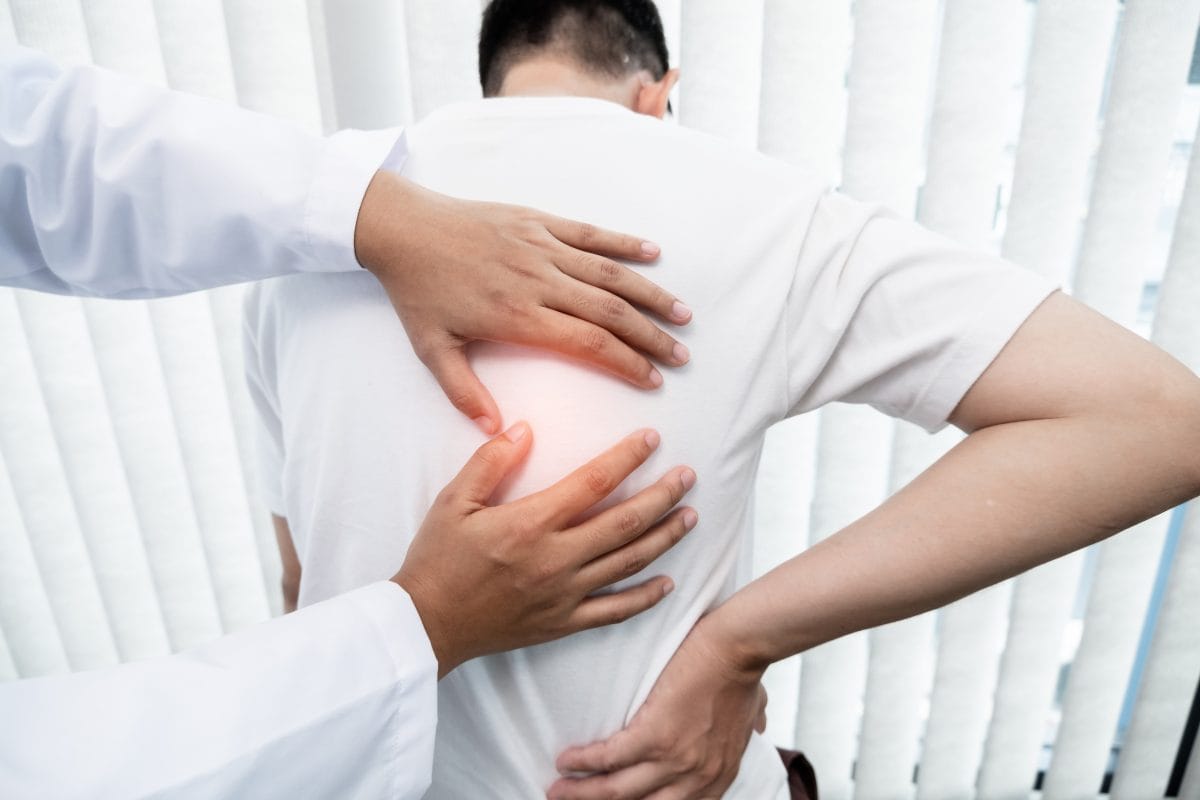

Lower Back Pain: When to Rest, When to Move and When to Worry
October 6, 2026
Acne is often thought of as a teenage problem, but many adults get it too, sometimes for the first time in their 20s, 30s or later. Adult acne (also called hormonal acne) is acne that continues past about 18 to 20 years of age, or starts in adulthood. It’s more likely to be ongoing in women. Acne can affect how you feel about yourself as well as how your skin looks, and it’s worth getting help if it’s bothering you.
What does acne look like?
Acne can include:
- whiteheads: small white spots under the surface of the skin
- blackheads: small blocked pores with a dark “plug”
- pimples: red, inflamed spots, sometimes with pus
- nodules: larger, painful lumps under the skin
It most often affects the face, but can also appear on the neck, chest, shoulders and back. In adults, it often shows up around the jaw and chin. Acne can be mild, moderate or severe, and severe acne can leave scars (healthdirect).
What causes acne?
Acne happens when hair follicles become blocked with oil (sebum) and dead skin cells. Bacteria that normally live on the skin can then cause inflammation, leading to red spots, pus-filled pimples or deeper lumps.
In adults, things that can play a part include:
- Hormones: changes around periods, pregnancy, stopping or starting hormonal contraception, and conditions such as polycystic ovary syndrome (PCOS)
- Genetics: acne often runs in families
- Skincare and make-up: heavy or oily products can block pores
- Some medicines: certain medicines can trigger or worsen acne
- Stress: may make existing acne flare
Common acne myths
“Acne is caused by dirty skin.”
Acne isn’t caused by poor hygiene. Scrubbing hard or washing too often can irritate the skin and make acne worse.
“You should squeeze pimples to get rid of them.”
Squeezing or picking can push the blockage deeper, increase inflammation and raise the risk of scarring.
“Sunlight clears acne.”
A tan might hide redness for a while, but sun exposure doesn’t treat acne. Some acne treatments can make your skin more sensitive to the sun. Use an oil-free, non-comedogenic sunscreen.
“Chocolate and greasy food cause acne.”
Food isn’t a common cause of acne. Some studies suggest high-sugar diets and dairy may play a part for some people, but the evidence is mixed.
“Adults grow out of acne.”
Many do, but not everyone. Adult acne is common and treatable, so there’s no need to just put up with it.
What can help
- Wash gently twice a day with warm water and a mild, soap-free cleanser
- Choose skincare, make-up and sunscreen labelled “non-comedogenic” or “oil-free”, and remove make-up every night
- Moisturise after washing, especially if treatments dry your skin
- Avoid picking or squeezing spots
- Your pharmacist can advise on over-the-counter creams and gels that help unblock pores
Treatment takes time
Most acne treatments take 2 to 3 months to show a clear improvement (healthdirect). Acne can even look a little worse in the first few weeks of some treatments. Keep going as directed, and check in with your doctor if you’re having side effects or aren’t seeing progress after a few months.
Prescription options
If over-the-counter products aren’t enough, a doctor may recommend prescription treatment. Depending on your skin and health, this can include prescription creams and gels, antibiotic treatment for a limited time, or hormonal treatment such as some types of contraceptive pill. See healthdirect’s guide to acne treatments for an overview.
Some acne treatments aren’t safe in pregnancy. Tell your doctor if you’re pregnant, trying to get pregnant or breastfeeding.
Some stronger treatments for severe or scarring acne can only be started by a dermatologist. The Australasian College of Dermatologists has more on adult acne.
When to see a GP
It’s worth seeing a doctor if:
- your acne hasn’t improved after a couple of months of over-the-counter products
- you have deep, painful lumps or cysts
- your acne is leaving marks or scars
- your acne started suddenly as an adult, or comes with irregular periods or extra hair growth, which can be signs of a hormonal cause
- acne is affecting your mood or confidence
A GP can:
- recommend a routine that suits your skin
- prescribe treatment if clinically appropriate
- arrange blood tests if a hormonal cause is possible, through our pathology referrals
- refer you to a dermatologist for severe or scarring acne (specialist referrals)
Acne and how you feel
Acne can affect self-esteem, mood and confidence, and this is a good reason to get treatment. If you’re feeling low or anxious, talk to your GP. Our articles on depression and anxiety explain where to get support.
How Teldoc can help
Our AHPRA-registered GPs can assess your acne by phone or video, usually within 15 minutes. Photos or a video consultation help the doctor see your skin. If you need an in-person review, your doctor will let you know. Prescriptions, if clinically appropriate, are sent as eScripts to your phone or preferred pharmacy.
See our acne treatment page. Consultations are $55 on weekdays and $75 on weekends and public holidays; see our fees page. Not sure if telehealth is right for your concern? Read what telehealth can and can’t do.
Frequently asked questions
Why have I got acne as an adult?
Adult acne is common, particularly in women. Hormonal changes, genetics, stress, skincare products and some medicines can all play a part. Sometimes it’s linked to a condition such as PCOS, which a GP can check for.
How long does acne treatment take to work?
Usually 2 to 3 months. It’s important to keep using treatment as directed even if you don’t see results straight away.
Does diet cause acne?
Food isn’t a common cause. Some people notice a link with high-sugar foods or dairy, but the evidence is mixed. A balanced diet is good for your overall health.
Can acne be treated by telehealth?
Yes, in most cases. A GP can assess your skin by video or from photos, recommend treatment and refer you to a dermatologist if needed.
Sources and further reading: healthdirect: Acne; healthdirect: Acne treatments; Australasian College of Dermatologists: Adult acne.
This article is general health information and isn’t a substitute for advice from your own doctor. If you’re worried about your health, speak to a GP. In an emergency, call 000.
Medically reviewed by Dr Vafa Derakshan (MBBS, FRACGP), September 2026