
Don’t Let the Burn Get You Down: A Guide to UTIs for Women
December 15, 2023
Common Infections: Which Need Antibiotics and Which Don’t
December 15, 2023
Many everyday health problems can be assessed by a GP over the phone or by video. Colds and flu, sore throats, urinary tract infections (UTIs), tummy bugs, thrush, skin problems and hay fever are some of the most common. For each one, a telehealth GP can talk through your symptoms, give advice, prescribe treatment if clinically appropriate and tell you if you need to be seen in person.
This guide goes through common conditions one by one: what a telehealth GP can usually help with, and the signs that mean you need a face-to-face appointment instead. For a broader overview of where telehealth fits, see our article What telehealth can and can’t do.
How a GP assesses you by phone or video
A lot of diagnosis in general practice comes from the conversation: when your symptoms started, how they’ve changed, what makes them better or worse, and your medical history. On video, a GP can also see things like a rash, swelling or how unwell you look. Photos of a skin problem can help too.
What a GP can’t do remotely is a hands-on examination, such as listening to your chest, feeling your tummy or looking inside your ears or throat with an instrument. If that’s needed to work out what’s going on, your telehealth doctor will tell you and suggest seeing a GP in person.
Common conditions at a glance
| Condition | What a telehealth GP can usually do | When you may need to be seen in person |
|---|---|---|
| Colds and flu | Advice on symptom relief, check for complications, medical certificate | Trouble breathing, chest pain, symptoms getting worse after a week |
| Sore throat and tonsillitis | Assess symptoms, treatment if clinically appropriate | Difficulty swallowing saliva, a muffled voice, one-sided swelling |
| UTIs | Assess symptoms, treatment if clinically appropriate, urine test referral | Fever, back or side pain, pregnancy, UTIs in men |
| Gastro and nausea | Advice on fluids, check for dehydration, treatment for nausea if appropriate | Can’t keep fluids down, blood in vomit or poo, severe tummy pain |
| Thrush and BV | Assess symptoms, treatment if clinically appropriate, STI testing | Symptoms that keep coming back or don’t settle |
| Skin (acne, rashes) | Assess using video or photos, treatment and referral | Changing moles or spots, rapidly spreading redness |
| Hay fever | Advice on managing symptoms, prescriptions if needed | Wheezing or breathing problems |
| COVID-19 | Check whether you’re eligible for antiviral treatment | Breathing difficulty, chest pain, confusion |
| Back pain | Advice on staying active and pain relief, referrals | Numbness, weakness, or problems with bladder or bowel control |
Some of these warning signs need emergency care. See “When to get urgent help” below.
Colds, flu and other respiratory viruses
Most colds and many cases of flu get better with rest, fluids and simple pain relief. Antibiotics don’t work against viruses. A telehealth GP can check for complications, suggest ways to ease symptoms and provide a medical certificate. People at higher risk from flu may benefit from antiviral treatment if it’s started early, so speak to a doctor soon after symptoms begin. Read more about our cold and flu consultations.
Sore throats and tonsillitis
Most sore throats are caused by viruses and settle within a week. Some cases of tonsillitis are caused by bacteria and may need antibiotics. A GP can ask about fever, swollen glands and cough to help decide whether treatment is likely to help. See our tonsillitis treatment page.
Urinary tract infections
Stinging when you wee and needing to go often are classic UTI symptoms. A simple bladder infection in a woman who isn’t pregnant can often be managed by telehealth. Your GP may ask you to do a urine test. Men, pregnant women and anyone with fever or back pain need closer assessment. Learn more about UTI treatment online.
Gastro and nausea
Gastroenteritis usually settles in a few days. The main risk is dehydration, especially for young children and older people. A telehealth GP can check how you’re coping with fluids, advise on oral rehydration, and prescribe treatment for nausea if appropriate. See our pages on gastro and nausea.
Thrush, BV and sexual health
Itching, discharge or discomfort can be caused by thrush, bacterial vaginosis (BV) or an STI. Telehealth suits these discreet conversations well, and sexual health consultations are bulk billed for eligible patients with a valid Medicare card. See thrush treatment, BV treatment and STI testing and treatment, or compare the symptoms in Thrush, BV or UTI? How to tell the difference.
Skin problems
Many skin conditions, such as acne, eczema flares and some rashes, can be assessed on video, especially with clear photos. A GP can recommend treatment or refer you to a dermatologist. A new or changing mole or spot needs to be examined in person. Read about our acne treatment.
Hay fever and allergies
Sneezing, a runny or blocked nose and itchy eyes are easy to describe by phone. A GP can suggest a management plan and prescribe treatment if needed. Our hay fever guide has more detail.
COVID-19
Most people with COVID-19 recover at home. Antiviral treatment can help some people at higher risk of severe illness, but it needs to start within 5 days of symptoms. PBS eligibility criteria apply (for example, age and certain risk factors), and your doctor will check whether you qualify. See healthdirect’s COVID-19 medicines information and our COVID-19 consultations page.
Back pain
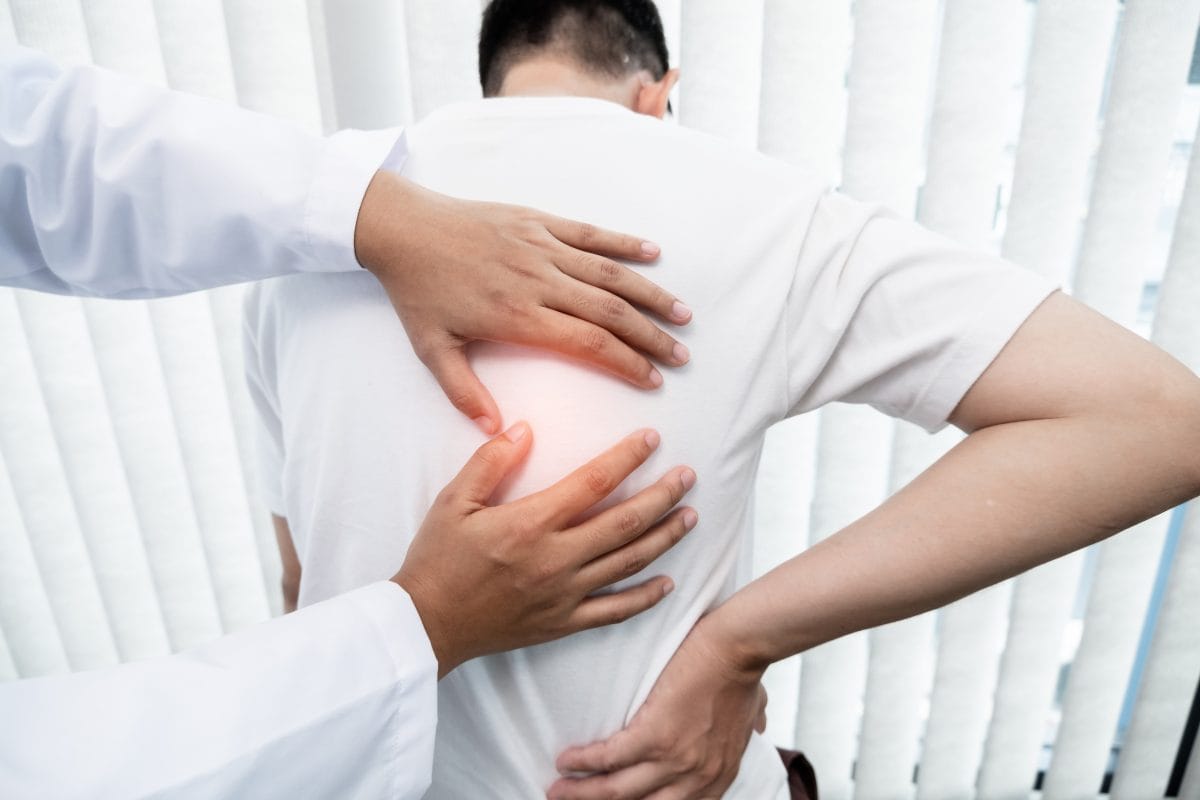
Most new back pain improves within a few weeks, and staying gently active usually helps more than bed rest. A telehealth GP can give advice, provide a medical certificate and arrange referrals if needed. See our back pain page.
Conditions that usually need an in-person visit
- Ear pain, particularly in children. A doctor needs to look inside the ear with an instrument to check for infection, which can’t be done on a video call.
- Chest infections where you’re short of breath, as your chest needs to be listened to.
- Injuries, such as a possible fracture or a wound that might need stitches.
- Severe or ongoing tummy pain, which needs a physical examination.
When to get urgent help
Call 000 or go to your nearest emergency department if you or someone else has:
- difficulty breathing, or chest pain or tightness
- signs of a stroke, such as face drooping, arm weakness or slurred speech
- a severe allergic reaction, such as swelling of the face or throat
- severe pain, heavy bleeding or a serious injury
- confusion, drowsiness, a seizure or fainting
- a baby or young child who is floppy, unusually drowsy or not feeding
How Teldoc can help
Teldoc’s AHPRA-registered GPs consult by phone or video, Australia-wide, 7 days a week from 9 am to 7 pm (Sydney time). Most patients are seen within 15 minutes. Depending on your situation, your doctor can:
- prescribe treatment if clinically appropriate, with an eScript sent to your phone
- provide a medical certificate for work, study or carer’s leave
- arrange pathology and radiology referrals or a specialist referral
- tell you if you need to be seen in person
General consultations are $55 on weekdays and $75 on weekends and public holidays, with no Medicare rebate. Some consultations, including sexual health, are bulk billed for eligible patients. See our fees page for details. Our guide to preparing for a telehealth consultation explains how to get the most out of your appointment.
Frequently asked questions
Can a telehealth GP diagnose an infection without examining me?
Often, yes. Many common infections, such as simple UTIs, colds and thrush, can be assessed from your symptoms and history. If a physical examination or test is needed to be sure, your GP will arrange a test or suggest an in-person visit.
Can I get antibiotics through telehealth?
A telehealth GP can prescribe antibiotics if they’re clinically appropriate, for example for some UTIs. Many common illnesses, such as colds and most sore throats, are caused by viruses, and antibiotics won’t help them.
Can telehealth be used for children?
Yes, for many common problems. A parent or carer needs to be present. Young children who are very unwell, have a high fever with other worrying signs, or have ear pain usually need to be seen in person.
What if my symptoms don’t improve after a telehealth consultation?
Book a follow-up or see a GP in person. If your symptoms become severe or you develop warning signs such as trouble breathing, call 000 or go to an emergency department.
Can I get a medical certificate for a common illness by telehealth?
Yes. A telehealth GP can provide a medical certificate for work, study or carer’s leave when they can reasonably assess that you’re unfit for your usual duties.
This article is general health information and isn’t a substitute for advice from your own doctor. If you’re worried about your health, speak to a GP. In an emergency, call 000.
Medically reviewed by Dr Vafa Derakshan (MBBS, FRACGP), September 2026